Estimation & Design
The Future of Electrical Estimation in Modern Construction
LantroTech Marketing
July 29, 2026

The future of electrical estimation is being built right now, project by project, bid by bid. Electrical estimation is the process of preparing a comprehensive cost forecast for an electrical project by performing quantity takeoffs, applying material and labor pricing, evaluating equipment requirements, and accounting for overhead, profit, contingencies, and project-specific risks. As projects grow more complex and bid timelines get shorter, contractors increasingly rely on digital tools and expert estimators to stay competitive.
The Changing Landscape of Electrical Estimation
It is 7:00 AM on a Monday morning. An electrical contractor opens their inbox to find multiple Invitations to Bid, each with a tight submission deadline. Material prices have shifted since last week. The drawings have been revised again. The estimating team is already stretched across live projects.
Sound familiar? It does. This is the standard operating environment for most electrical contractors today, and the pressure is only increasing. Contractors are expected to price complex scopes faster, with fewer errors, and at margins that still make business sense.
At LantroTech, we work inside that reality every day. Our electrical estimating services are built around experienced engineers, current technology, and workflows that are designed to perform under deadline pressure, not just in ideal conditions.

Why Accurate Estimation Is Essential for Competitive Bidding
An electrical estimate does far more than associate a number to a scope of work. It shapes procurement decisions, labor planning, project scheduling, cash flow forecasting, and risk allocation. Get it right and the project runs with a margin. Get it wrong and you find out why at the worst possible moment.
Small errors compound quickly. Missing cable quantities by ten percent on a large commercial project does not result in a ten percent cost overrun. It triggers re-procurement, potential delays, subcontractor disputes, and margin erosion that is difficult to recover. Underestimating conduit runs or omitting earthing quantities are the kinds of mistakes that look minor in a spreadsheet and expensive on site.
Accurate electrical estimation gives contractors the foundation to plan procurement precisely, reduce change orders, and submit bids that are competitive without being reckless. In a market where the difference between winning and losing a tender often comes down to a percentage point or two, the quality of the underlying estimate matters more than most contractors publicly acknowledge.
How Can Contractors Meet Tight Bid Deadlines Without Losing Accuracy?
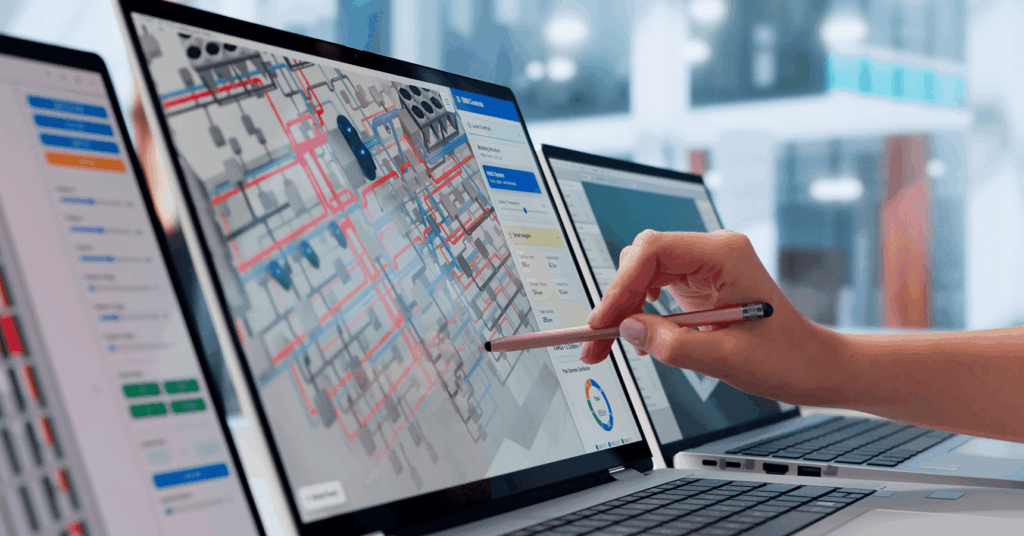
Tight bid deadlines are the most consistent operational challenge in electrical contracting. Large commercial or infrastructure projects regularly involve several hundred drawings, dense specifications, and mid-process design revisions that require the estimating team to absorb changes without stopping the clock.
There is no single answer to this, but the contractors who handle it consistently well share a few things in common. They use digital quantity takeoff tools rather than manual measurement. They maintain structured quality control processes that run parallel to production rather than at the end. And they know when to bring in external estimating capacity rather than stretching their internal team past what it can reliably handle.
LantroTech supports its clients at exactly that point. Our engineers integrate directly into the bid process, handling digital quantity takeoffs, coordinating drawing revisions, and running scope reviews so that the client team can focus on strategy, and client relationships rather than measuring cable metres. Whether the requirement is a single bid or several running concurrently, our estimating services expand bidding capacity without adding permanent overhead.
Is Technology Changing How Electrical Estimates Are Prepared?
Yes, and the pace of change has accelerated noticeably over the past few years. Manual measurement methods and standalone spreadsheets have not disappeared entirely, but they are no longer competitive on projects of any real complexity. The contractors producing the most reliable estimates today are using digital platforms that were not widely available five years ago.
The shift matters for a specific reason: it is not just about speed. Digital estimating tools improve accuracy by reducing the transcription errors, missed annotations, and revision mismatches that manual processes accumulate over the course of a busy bid. The data quality improves, and so does the confidence of the estimate.
That said, technology does not replace the engineer sitting behind it. The software measures what it is instructed to measure. The engineer decides what gets measured, how specifications translate into quantities, and where the real construction risks sit. Both matter.
Building Information Modelling in Electrical Estimation
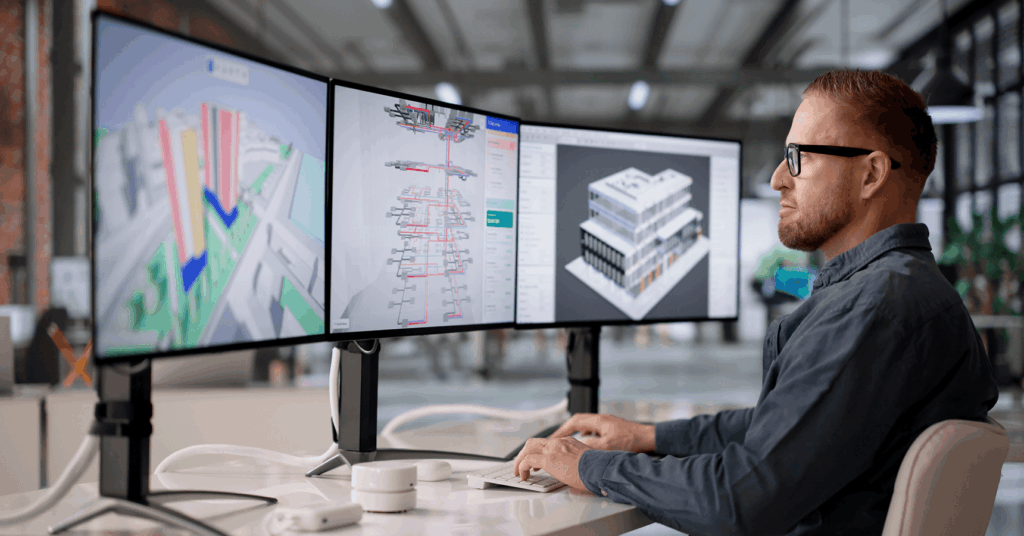
BIM has changed what is possible in electrical estimation, particularly on large or complex projects. Rather than working from flat 2D drawings that show intent without spatial context, estimating teams working in BIM environments can extract quantities from intelligent 3D models that carry information about every electrical system and building component.
The practical benefits are significant. Quantity accuracy improves because the model contains dimensional data that would otherwise need to be scaled or interpolated from a drawing. Coordination between electrical, mechanical, structural, and architectural disciplines is easier to verify before the estimate is finalised, which reduces the risk of scope gaps and omissions. Constructability questions that might otherwise surface as RFIs during construction can be identified and priced at the estimation stage.
BIM adoption in construction has grown steadily, and it is now standard on most public-sector and large commercial projects across many markets. Contractors who work with estimating partners experienced in model-based workflows are better positioned to respond to BIM-mandated tenders without diverting internal resources.
Cloud-Based Workflows and What They Actually Change
Cloud-based estimating workflows solve a specific problem: keeping distributed teams working from the same information at the same time. On a project where drawings are being revised regularly and multiple engineers are contributing to the estimate, version control is not a minor administrative concern. It is where errors enter the process.
When drawings, specifications, and project data sit in a shared cloud environment, every person working on the estimate sees the current version. Revisions are tracked. Updates are visible immediately. The risk of someone pricing against a superseded drawing drops substantially.
For contractors working with LantroTech, this is how our engineers operate day to day. We work within secure cloud environments that keep us aligned with the client’s current project data, which means faster turnaround, fewer revision-related errors, and the ability to respond to scope changes without restarting the takeoff from scratch.
Digital Takeoffs and Data-Driven Estimating
Platforms like PlanSwift, Bluebeam Revu, and Autodesk Takeoff have become standard tools in professional electrical estimating. Each handles the core task differently, but the outcome is the same: faster, more accurate quantity takeoffs with a digital audit trail that supports the quality review process.
Beyond the mechanical task of measuring quantities, the more meaningful shift is toward using project data to make informed commercial decisions. Historical cost data from similar projects, current supplier pricing, real labor productivity rates, and regional market conditions all feed into an estimate that reflects how a project will actually be built rather than how it looks on paper.

At LantroTech, our engineering team combines these platforms with accumulated project cost data and direct supplier and subcontractor pricing to produce estimates that are accurate at the quantity level and commercially sound at the pricing level. The two are not automatically the same thing, and the gap between them is where estimating experience matters most.
How LantroTech Supports Electrical Contractors
Every estimate we produce starts from detailed understanding of the scope of the project. The quantities, the pricing, the scope coverage, these things will drive procurement decisions, labor planning, and cash flow for months.
Our engineers review the full project before producing a single quantity. Specifications are read, not skimmed. Constructability risks are identified and either priced or flagged. Drawing sets are checked for coordination issues that might affect scope. The estimate that comes out of that process reflects how the project will actually be built, not the ideal version described in the consultant’s design intent.
Every estimate goes through a structured quality assurance process covering quantity verification, scope validation, pricing consistency, and specification compliance. Clients do not receive a number. They receive a checked and verified document they can submit with confidence.
We work across commercial, healthcare, hospitality, industrial, residential, infrastructure, and renewable energy projects. Each sector has its own cost norms, specification standards, and procurement pressures, and our estimating approach adjusts accordingly rather than applying a single template across different project types.

The Future of Electrical Estimation Is Already Here
The question worth asking is not whether electrical estimation is changing. It clearly is. The question is whether the current estimating process is built to keep up with the pace at which projects are becoming more complex, bid windows are getting shorter, and the cost of an inaccurate estimate is getting higher.
The tools are readily available. Digital workflows are well established. Project data is more accessible than ever. What distinguishes successful electrical estimators is not access to these resources, but the ability to combine engineering expertise with technical proficiency to transform a digital takeoff into an accurate, competitive, and profitable estimate. At LantroTech, our experienced estimators combine industry best practices, advanced estimating tools, and rigorous quality assurance processes to deliver accurate, reliable estimates that empower clients to bid with confidence and execute projects successfully.
If you are looking for an estimating partner with the engineering expertise to handle complex scopes and the technical capability to work within modern construction workflows, LantroTech is ready to support your next project. Our goal is straightforward: deliver better estimates, stronger bids, and projects that are completed as planned.
Share it on


