Estimation & Design
Shop Drawings vs As-Built Drawings: Key Differences in Construction
LantroTech Estimation and Design
May 18, 2026
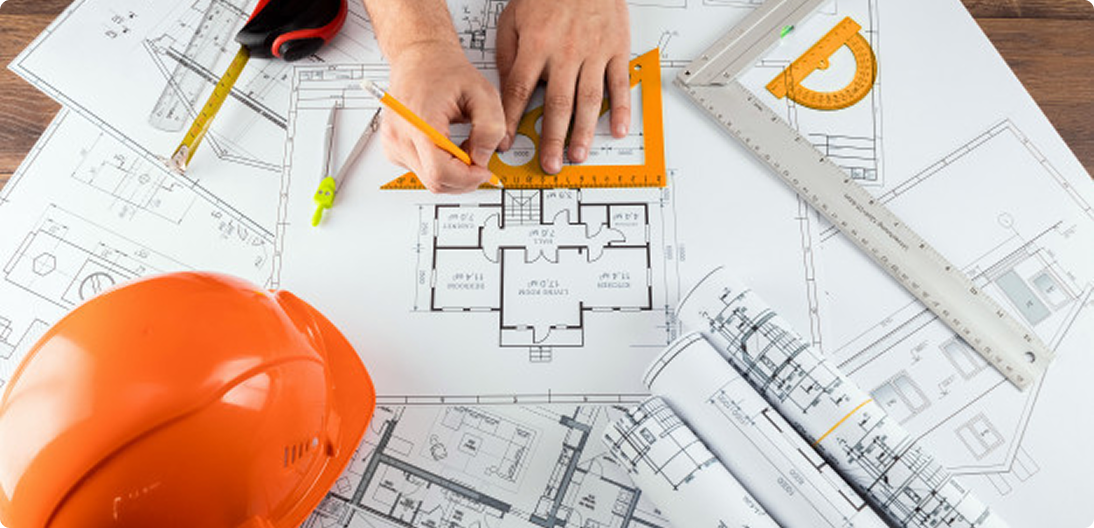
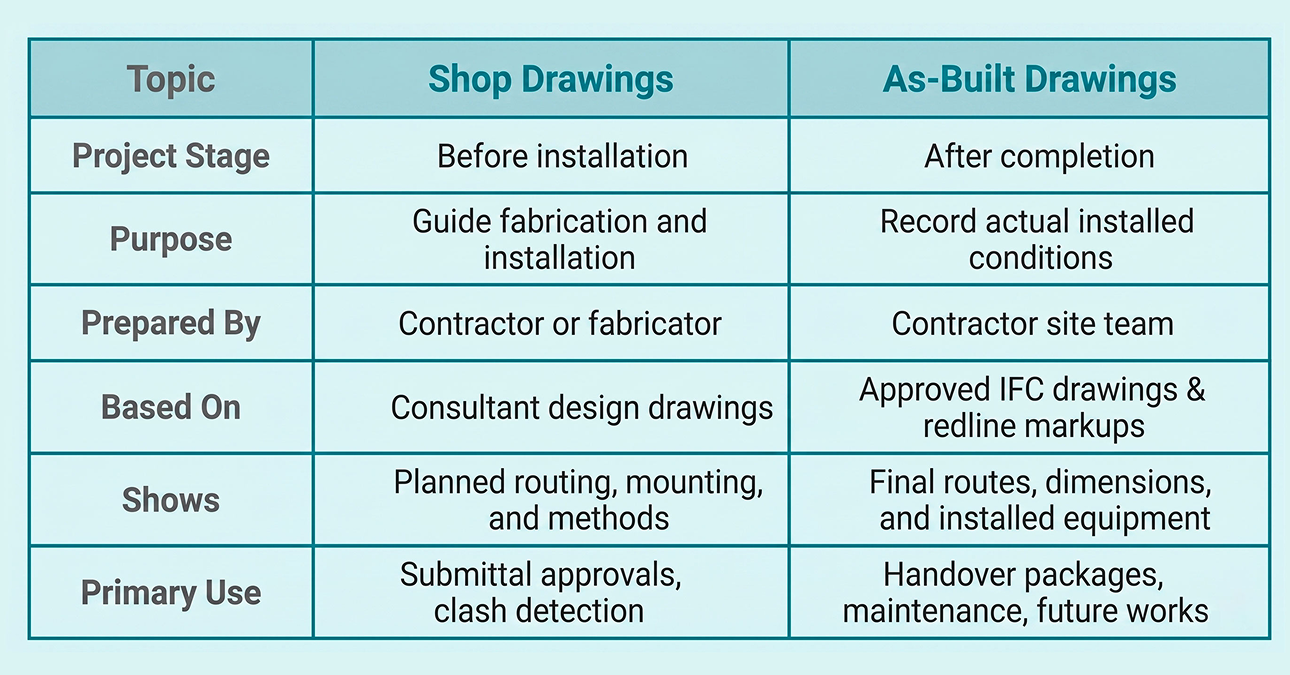
Shop drawings show what a contractor plans to install. As-built drawings, show what was actually installed once work is complete. The key differences between the two come down to timing, purpose, and who uses them, and both are required on any well-run construction project.
Every construction project depends on one thing above all else: everyone on site working from accurate, current documentation. Two construction drawings make that possible at opposite ends of the project lifecycle. Understanding shop drawing in construction versus what an as-built drawing captures is not just useful for engineers and project managers. It is the kind of clarity that prevents rework, failed authority submissions, and handover disputes before they happen.
What is Shop Drawing in Construction?
A shop drawing is a contractor-prepared or fabricator-prepared document that converts a consultant’s design intent into practical, installation-ready instructions. Where design drawings communicate what is required, a shop drawing defines exactly how it will be executed. Think of it as the gap between a concept on paper and a system that can actually be built.
Shop Drawings vs Design Drawings
This is a distinction worth understanding clearly:
- Design Drawings: Come from the consultant and show intent.
- Shop Drawings: Come from the contractor and show methods.
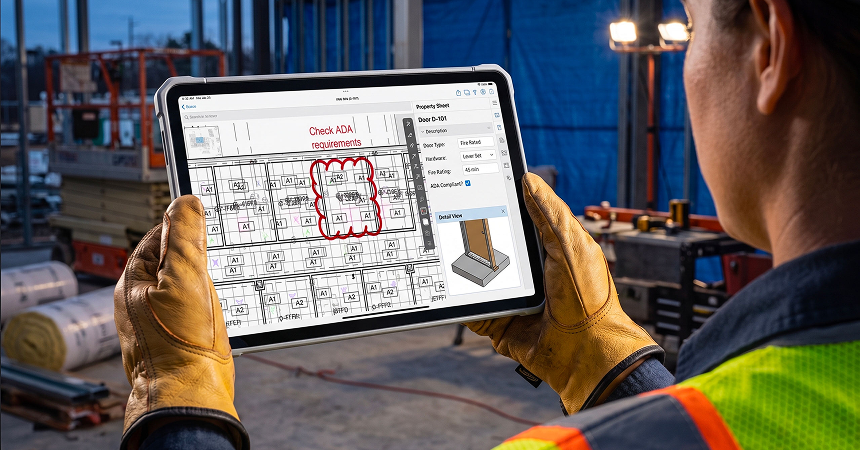
One sets the brief; the other delivers it. The two work together and neither can replace the other. They are produced before installation begins, during the construction submittal and approval process. Shop drawings act like the installer’s guide, showing exact dimensions, mounting details, and how each system fits with electrical, mechanical, structural, and architectural elements.
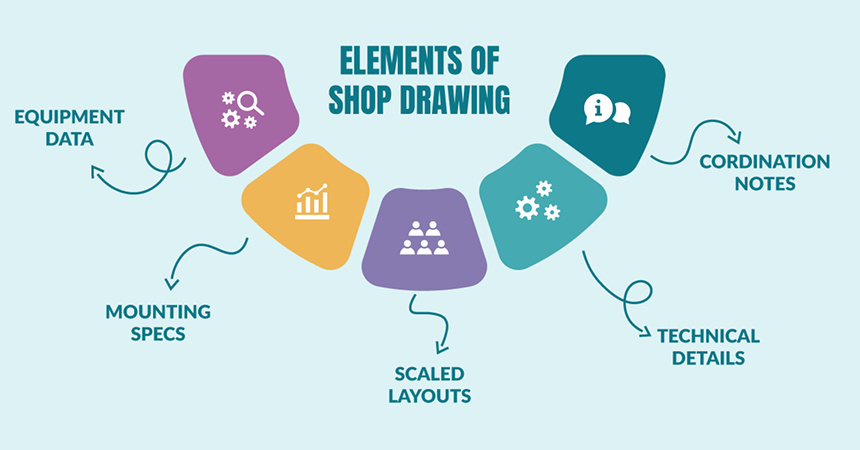
What Shop Drawings Typically Contain
- Equipment Data: Dimensions and electrical ratings from actual manufacturer data sheets.
- Scaled Layouts: Cable routing paths, conduit entry points, and cable tray layouts drawn to scale.
- Mounting Specs: Heights for distribution panels, field devices, and junction boxes.
- Technical Details: Termination details and wiring schedules based on confirmed equipment selections.
- Coordination Notes: Alignments with HVAC, plumbing, and structural trades to catch physical clashes early.
Shop Drawing Example: Electrical Works
A practical example of shop drawing in electrical works would show the exact mounting position of a distribution board on a specific wall, the conduit entry points feeding into it, the cable sizes and routes from each circuit, and the busbar arrangement inside the panel based on the actual manufacturer’s data. It would also show how the conduit routes coordinate with the ceiling void above to avoid clashing with HVAC ductwork.
Why Shop Drawings Reduce Cost and Programme Risk
Shop drawings give every installation team one approved, version-controlled reference to build from. They resolve ambiguities before anyone picks up a drill and cut down on Requests for Information (RFIs) that stall the site. Projects that skip the shop drawing and submittal approval process tend to find coordination failures mid-build, where fixing them is expensive and disruptive to every trade.
What are As-Built Drawings in Construction?
As-built drawings, are produced after installation is complete. They document the actual installed condition of every system, including:
- Final cable routes and measured lengths.
- Real device locations and dimensions.
- All deviations from the approved Issued for Construction (IFC) drawings.
- Confirmed make and model of every installed item.
- Any scope additions, removals, or relocations during site work.
As-Built Drawing Example: What it Should Capture
Consider this example for as-built drawing: a smoke detector was designed to sit inside a kitchen bulkhead. The shop drawing relocated it to avoid heat sources. During installation, a hidden structural beam forced a second relocation. The as-built drawing records the final installed position, the reason for each deviation, and the exact model number installed. This ensures the next engineer has a reliable starting point.
Who is Responsible for As-Built Drawings?
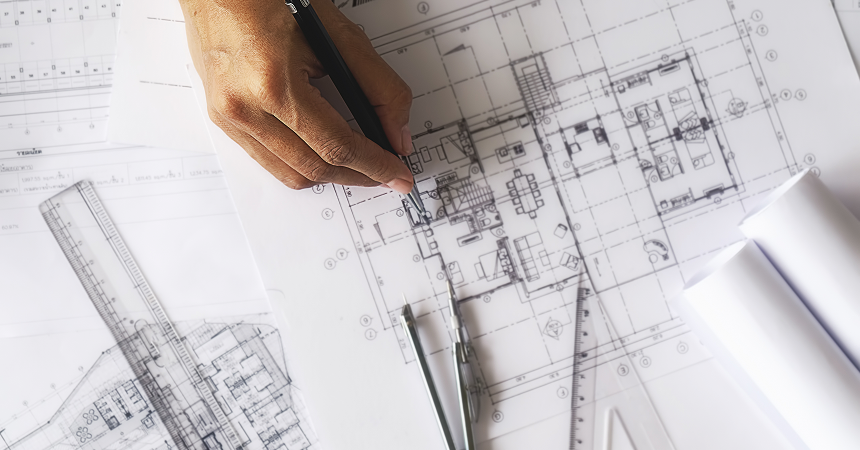
Responsibility usually falls to the main contractor’s site team. Field engineers and supervisors collect daily redline markups during installation, recording any deviation from the IFC drawings as it happens. On complex projects, a drafting team incorporates those redlines into the final CAD or BIM deliverable.
Why As-Built Drawings Matter for Operations and Handover
As-built drawings are the primary technical reference for building maintenance, system upgrades, and fault diagnosis. Most authority approval bodies and client handover packages require a complete as-built set before project sign-off. A well-prepared set means a technician five years later does not need to trace cables or open panels to find out what is installed.
Shop Drawings vs As-Built Drawings: Main Differences
Side by Side
How Both Fit into the Full Construction Cycle
- Design Issue: Consultant issues high-level intent drawings.
- Submittal Prep: Contractor prepares shop drawings with vendor data and routing layouts.
- Review: Engineers and consultants review for clashes and buildability.
- IFC Release: Approved “Issued for Construction” drawings are distributed.
- Installation: Field teams build and record daily redlines for deviations.
- Final Compilation: Redlines are incorporated into the official As-Built record.

Practical Tips for Managing Both Documents Well
- Run CAD/BIM Clash Detection: Finding conflicts on a model costs minutes; finding them on site costs days.
- Enforce Version Control: Every person on site must work from the current approved IFC issue.
- Collect Redlines Daily: Reconstructing changes from memory at project end produces unreliable drawings.
- Attach Manufacturer Data: Include data sheets in every shop drawings pdf submittal to match equipment on site.
- Record Serial Numbers: Accurate long-term maintenance depends on specific identifiers in the as-built set.
Why Both Documents are Non-Negotiable
Shop drawings ensure you build correctly the first time. As-built drawings provide a reliable map of reality for the future. When both are handled with care, projects move through authority approvals faster, handovers complete without rejection, and building owners receive documentation that is genuinely useful for the life of the asset.
Share it on


